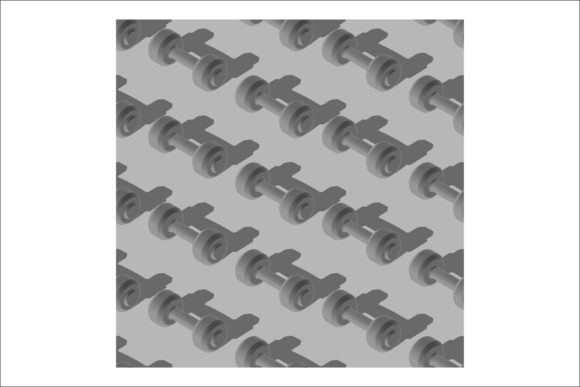
Dynamic Design: Realistic Dumbbell Patterns in Modern Visual Projects
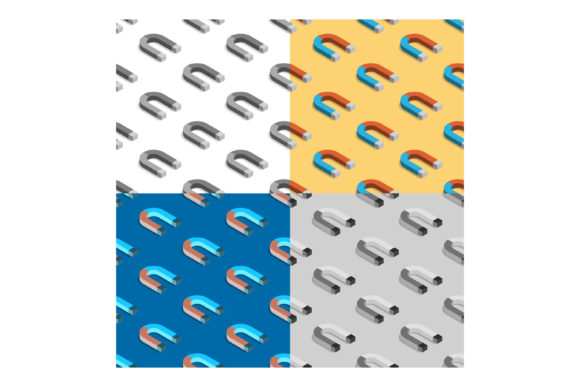
In today’s design landscape, visual authenticity and thematic precision are essential for creating compelling brand experiences. Patterns with Realistic Detailed Dumbbel offer a powerful visual tool for designers working in fitness, wellness, and lifestyle industries. These high-quality, seamless patterns feature 3D models of sports dumbbells, making them ideal for branding, packaging, digital media, and print design.
Why Realistic Dumbbell Patterns Matter in Graphic Design
Visual design is not just about aesthetics—it’s about communication. Realistic detailed dumbbell patterns provide a tangible, recognizable visual language that resonates with audiences interested in fitness, health, and active living. These design elements bring a sense of professionalism and thematic clarity to any project, whether used in branding materials, digital interfaces, or promotional content.
From a UI/UX perspective, incorporating such patterns enhances visual hierarchy and user engagement. They serve as strong visual anchors that reinforce the theme of a website, app, or editorial layout without overwhelming the content. When used strategically, they support brand storytelling and create a cohesive aesthetic across multiple touchpoints.
Practical Applications Across Design Disciplines
- Branding and Logo Design: Use dumbbell patterns as background textures or secondary motifs to reinforce fitness-oriented brand identities.
- Social Media Graphics: Incorporate them into workout challenge posts, fitness tips, or merchandise promotions for a consistent and professional look.
- Website and UI Design: Apply these patterns subtly in section dividers, background overlays, or call-to-action buttons to maintain thematic relevance.
- Packaging Design: Ideal for activewear, supplements, or fitness equipment packaging where visual alignment with the product’s purpose is key.
- Presentation Design: Enhance slides for fitness startups or wellness brands with visually engaging, on-brand design elements.
Design Tips for Optimal Use of Dumbbell Patterns
When integrating Patterns with Realistic Detailed Dumbbel into your design workflow, consider the following best practices:
- Maintain Visual Consistency: Ensure the pattern aligns with your brand’s color palette and overall aesthetic.
- Balance Complexity: Use these patterns sparingly to avoid visual clutter, especially in editorial or UI design where readability is critical.
- Ensure Scalability: Vector-based patterns allow for crisp reproduction across both digital and print formats.
- Test Across Backgrounds: Verify that the pattern remains effective on light, dark, and textured backgrounds.
Combining Typography, Color, and Composition
To maximize the impact of these design elements, pair them with clean typography and a well-structured layout. Sans-serif fonts with bold weights often complement the dynamic energy of fitness-themed visuals, while a strong color contrast ensures legibility and visual appeal. When designing for digital marketing or social media, consider how the pattern interacts with icons, buttons, and text overlays to maintain a seamless user experience.
In editorial design, these patterns can be used as decorative dividers or background textures for feature articles on strength training or healthy lifestyle tips. In packaging, they can subtly reinforce the product’s purpose without overpowering the messaging.
Ultimately, the value of Patterns with Realistic Detailed Dumbbel lies in their versatility and visual clarity. Whether used in branding, digital products, or print media, they help elevate the design from generic to professional. Thoughtful application of such assets enhances not only aesthetics but also the effectiveness of visual communication—making them a must-have in any designer’s toolkit.