Background with Red Slanted Lines: A Versatile Design Element for Modern Creative Projects
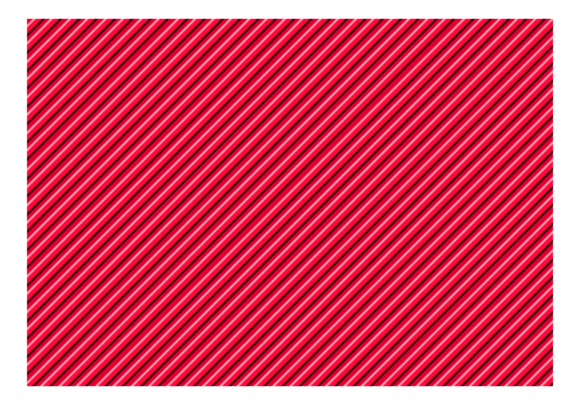
Designers and creators across industries are constantly on the lookout for visually striking yet flexible assets that can elevate their work. One such standout is the Background with Red Slanted Lines, a dynamic digital pattern that blends bold color with geometric motion. Whether you're crafting wedding invitations, designing web banners, or printing on fabric, this background offers both aesthetic appeal and practical utility.
Understanding the Design: What Makes It Unique
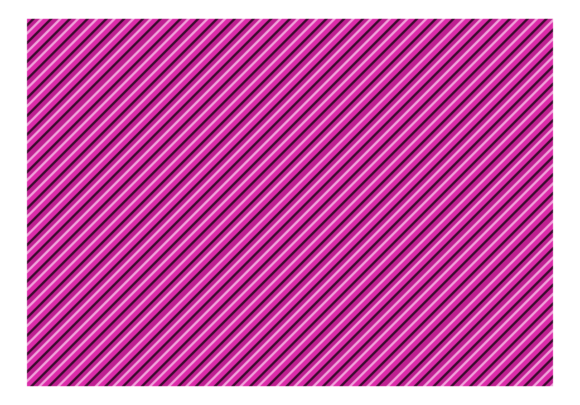
The Background with Red Slanted Lines features a rhythmic pattern of diagonal red lines layered over a neutral or contrasting base. This creates a sense of movement and energy without overwhelming the viewer. The design is typically created in high resolution—16x11 inches at 200 dpi—making it suitable for both print and digital applications.
Available in PNG and PSD formats, it provides transparency options and layer control for advanced editing. The RGB color mode ensures vibrant color reproduction on screens, which is essential for digital design workflows.
Applications Across Industries and Use Cases
One of the most compelling features of this background is its adaptability. Here are some key areas where it shines:
- Wedding and Event Invitations: The bold red slanted lines add a modern twist to traditional card designs, making them stand out while still maintaining elegance.
- Birthday and Greeting Cards: Whether for a milestone birthday or a simple thank-you card, this background adds visual interest without overshadowing the message.
- Web Banners and Blog Headers: The pattern works well as a background for text overlays, helping digital content pop while maintaining a clean, professional look.
- Fabric Printing: From apparel to home décor, this design can be scaled and adapted for textile printing, giving designers a contemporary base to build upon.
- Custom Mugs and Merchandise: With the rise of personalized products, this background offers a stylish canvas for custom-printed items like mugs, phone cases, and tote bags.
Technical Specifications and Why They Matter
When selecting a background for professional use, technical details are crucial. The 16x11 inch size is ideal for standard print dimensions, while the 200 dpi resolution ensures sharp, high-quality output both on screen and in print. The availability of both PNG and PSD formats allows for easy integration into design workflows, whether you're using Photoshop, Canva, or other graphic design tools.
The RGB color mode makes this background especially suitable for digital use, ensuring that colors appear true on monitors, tablets, and mobile devices. For print projects, designers can convert the file to CMYK if needed, though the RGB format still offers a wide and vibrant color gamut.
How to Incorporate It Into Your Design Workflow
Whether you're a seasoned designer or a DIY enthusiast, integrating the Background with Red Slanted Lines into your projects is straightforward. Here are a few practical tips:
- Layering: In PSD format, you can separate the background from the red lines and adjust their opacity or blending modes to suit your project's tone.
- Text Overlays: Use light or dark text depending on the contrast of the background. White or black fonts with a subtle drop shadow can enhance readability.
- Color Coordination: Since red is a dominant color, pair this background with complementary colors like gray, cream, or navy blue to maintain visual harmony.
- Customization: If you're using Photoshop or a similar tool, you can recolor the slanted lines to match your brand palette while retaining the pattern's structure.
Why This Background Works in Modern Design
In today's design landscape, there's a growing emphasis on visuals that are both aesthetically pleasing and functionally effective. The Background with Red Slanted Lines fits this trend perfectly. Its geometric structure aligns with current design movements like minimalism and flat design, while the bold red hue adds a touch of warmth and vibrancy.
Additionally, the background's directional lines can subtly guide the viewer's eye, making it an excellent choice for marketing materials, digital banners, and social media graphics where visual flow is important.
Choosing the Right Format for Your Needs
Understanding the differences between PNG and PSD formats can help you choose the right version for your project:
- PNG: Best for quick use in digital designs, presentations, or when transparency is needed. It’s easy to use and widely compatible with most design tools and platforms.
- PSD: Ideal for advanced editing in Adobe Photoshop. This format allows you to manipulate individual layers, adjust colors, and add effects without affecting the original design.
For most users, starting with the PNG version is sufficient. However, if you plan to make extensive edits or integrate the background into a complex layout, the PSD file will offer greater flexibility.
Practical Considerations for Printing
If you're planning to use the background for physical prints—such as cards, fabric, or posters—there are a few additional factors to consider:
- Print Resolution: Ensure the file is printed at a high enough resolution (200 dpi) to avoid pixelation.
- Color Calibration: Test prints on different materials to ensure that the red lines appear as intended, especially when printing on fabric or mugs.
- Trim and Bleed: When designing for print, include appropriate bleed areas to prevent unwanted white edges after cutting.
Final Thoughts: A Design Asset Worth Investing In
The Background with Red Slanted Lines is more than just a decorative element—it's a versatile tool that can enhance a wide variety of creative projects. Its combination of bold color, geometric movement, and high-quality resolution makes it a valuable asset for designers, marketers, and crafters alike.
Whether you're designing a wedding invitation, creating a digital banner, or printing on fabric, this background offers a unique visual flair that can elevate your work. With the right tools and a bit of creativity, you can make the most of this dynamic design and bring your projects to life.