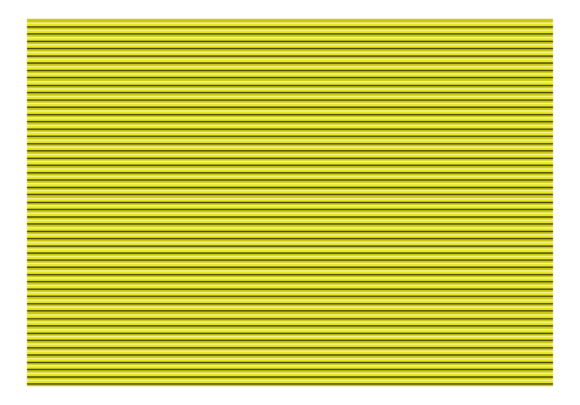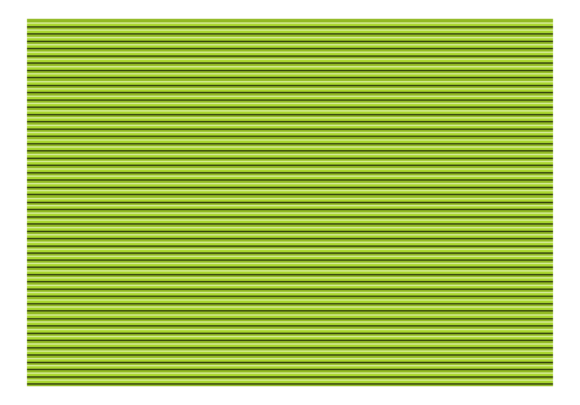
Background with Green Horizontal Lines: A Versatile Design Asset for Creative and Professional Use
Design elements play a crucial role in shaping the visual identity of digital and print projects. Among the many tools available to creators, the Background with Green Horizontal Lines stands out for its flexibility, aesthetic appeal, and ease of integration. Whether you're crafting a wedding invitation, designing a blog banner, or preparing fabric prints for a product line, this background offers a structured yet subtle visual texture that enhances overall presentation without overpowering the main content.
Understanding the Design
The Background with Green Horizontal Lines features evenly spaced horizontal lines in varying shades of green, set against a neutral or white backdrop. This design introduces a rhythmic flow to any visual composition, guiding the viewer’s eye across the layout. The green tones add a touch of nature-inspired calm, making it suitable for both formal and casual applications.
Available in PNG and PSD formats with a resolution of 200 dpi and dimensions of 16x11 inches, this background supports high-quality output across different mediums. Its RGB color mode ensures compatibility with digital platforms, while the layered PSD file allows for easy customization in design software like Adobe Photoshop.
Applications in Creative and Business Workflows
This background can be effectively used at various stages of a project—whether in the early planning phase to establish a visual direction, during execution to maintain consistency, or post-launch for promotional materials. Here are several practical use cases:
- Wedding and Event Invitations: Add a touch of elegance to digital or printed invitations. The horizontal lines subtly guide the layout, helping organize text and graphics while maintaining a cohesive theme.
- Birthday and Greeting Cards: Ideal for both physical and digital cards, this background offers a clean, festive base that complements illustrations and typography.
- Blog and Web Banners: Use it as a header or background for blog posts, landing pages, or promotional banners to enhance visual engagement without distracting from the content.
- Fabric Printing: Especially useful for textile designers, this pattern can be repeated across fabric for apparel, home décor, or custom merchandise.
- Promotional Mugs and Merchandise: Print it on mugs, notebooks, or packaging to create branded items that stand out with a minimalist yet modern design.
Integration with Design Tools and Platforms
To make the most of the Background with Green Horizontal Lines, it's important to understand how it interacts with other design elements and tools. Since it's available in both PNG and PSD formats, you can easily import it into design software like Adobe Photoshop, Illustrator, Canva, Figma, or Sketch. The PSD format allows for layer editing, giving you the ability to adjust line spacing, color intensity, or overlay text and graphics without losing quality.
For digital marketing professionals, this background can be uploaded directly into content management systems (CMS) like WordPress or Shopify for use in banners, sidebars, or featured images. Its 200 dpi resolution ensures clarity even when scaled for larger displays or printed materials.
Workflow Tips for Efficient Use
Incorporating this background into your workflow can enhance both productivity and design quality. Here are some practical tips:
- Preparation: Before starting a project, determine the main purpose and target audience. This helps in deciding how prominently the background should feature and whether additional design elements are needed.
- Compatibility Check: Ensure that the background's color mode (RGB) matches the intended output platform. For print projects requiring CMYK, convert the file accordingly after testing the visual impact.
- Layer Management: When using the PSD file, keep background layers separate from content layers. This allows for easy adjustments and reuse in future projects.
- Consistency Across Materials: Use the same background across multiple assets (e.g., invitations, website headers, and merchandise) to maintain a unified brand identity.
- Efficiency in Repetition: If using the background for fabric printing or tiling on a website, test how the pattern repeats to avoid visual disruptions or misalignment.
- Quality Control: Always preview the background at actual size before finalizing. Check for clarity, color accuracy, and alignment with other design components.
Optimizing for Long-Term Use and Reusability
One of the advantages of the Background with Green Horizontal Lines is its reusability across different contexts. By maintaining a well-organized digital asset library, you can quickly retrieve and repurpose this background for future projects. Consider creating templates in your preferred design tool that include this background preloaded, saving time when starting new designs.
For educators and bloggers, this background can become a go-to layout for recurring content such as weekly newsletters, lesson summaries, or infographic-style posts. Its structured appearance helps in organizing information while maintaining a professional look.
Customization and Personalization
While the background is visually appealing on its own, customization can further enhance its effectiveness. Adjusting the green tones to match brand colors or adding overlays like gradients, textures, or text can personalize the design. In Photoshop or Canva, you can also reduce the opacity of the background lines to create a more subdued effect behind text or images.
Freelancers and small business owners can use this background to create consistent branding materials, such as social media posts, business cards, and email headers. This not only streamlines the design process but also reinforces brand recognition across platforms.
Conclusion
The Background with Green Horizontal Lines is more than just a visual element—it's a practical tool that supports a wide range of creative and professional workflows. From invitations and digital banners to fabric prints and branded merchandise, this background offers flexibility, quality, and aesthetic value. By integrating it thoughtfully into your design process, you can elevate the look of your projects while maintaining efficiency and consistency.
Whether you're a seasoned designer or someone new to creating visual content, this background provides a reliable foundation that adapts to your needs. With the right tools and workflow strategies, it becomes a go-to asset that enhances both the planning and execution phases of your work.