The Digital Croissant: How 3D Modeling Brings Pastry Art to Virtual Life
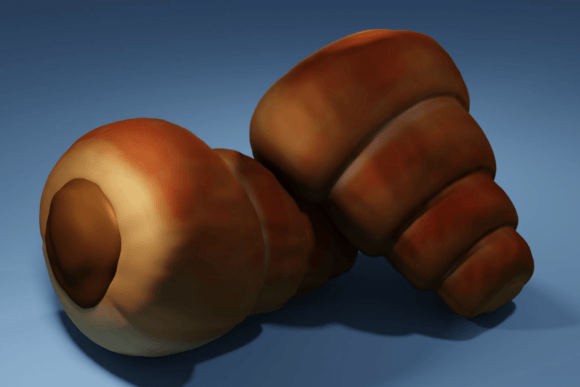
In a world where digital environments are becoming as important as physical ones, even the most traditional items are finding new life in virtual form. The croissant, a symbol of French patisserie and café culture, is no exception. With the rise of 3D modeling tools like Blender, creators are crafting highly detailed digital versions of everyday objects, including pastries. One such creation is a meticulously modeled croissant with multiple fillings—Strawberry, Orange, and Cherry jam, and Chocolate—designed for use in digital scenes that evoke warmth, comfort, and creativity.
Why Model a Croissant?
At first glance, modeling a croissant may seem like a niche project. But when you consider how visual storytelling is evolving across industries—from marketing and e-commerce to interior design and game development—it becomes clear that realistic 3D assets are in high demand. A digital croissant isn’t just a pastry; it’s a versatile visual element that can enhance product displays, virtual kitchens, or even digital menu boards.
This particular model was created using Blender, one of the most powerful open-source 3D creation suites available today. Blender allows creators to build, texture, animate, and render complex scenes, making it ideal for both hobbyists and professionals. The attention to detail in this croissant model, including five distinct fillings and a high-resolution texture, reflects the growing expectation for realism in digital content.
From Bakery to Browser: The Role of 3D Assets in Modern Design
As digital environments become more immersive, the need for realistic objects has never been greater. Whether it's for a virtual bakery in a game, a 3D menu for a restaurant website, or a digital kitchen for an architectural visualization, the croissant model serves as a functional and aesthetic element. Rendered using both Blender Eevee and Cycles, the preview images showcase the model's versatility under different lighting conditions, ensuring it can be integrated seamlessly into a wide range of projects.
This model’s polygon count—74,496 faces and 74,500 vertices—ensures a high level of detail without overwhelming system resources. The inclusion of multiple file formats (Blender, FBX, OBJ, STL, ABC, DAE, glTF) makes it compatible with a broad array of 3D software, allowing creators to work within their preferred environments without conversion hassles.
Practical Applications Across Industries
- Marketing & E-commerce: High-quality 3D models like this croissant can be used in product showcases, food delivery apps, or branded content to create engaging visuals without the need for physical photoshoots.
- Game Development: In virtual cafes or cooking simulations, realistic food models enhance immersion and user experience.
- Architectural Visualization: For interior designers working on kitchen or café layouts, adding detailed food items helps clients visualize the space more clearly.
- Education & Tutorials: Aspiring 3D artists can use this model as a reference or learning tool to understand texturing, lighting, and rendering techniques.
The Evolution of Digital Food Modeling
Food modeling has come a long way from basic shapes and flat textures. Today’s creators aim for photorealism, replicating the subtle imperfections and textures that make food visually appealing. The croissant, with its flaky layers and buttery finish, is a perfect test subject for this kind of digital craftsmanship. By including multiple fillings, this model also reflects the customization trends seen in both the food industry and digital design.
Consumers today expect choice and personalization, whether in what they eat or how they interact with digital environments. A croissant model with multiple filling options allows creators to tailor scenes to specific themes or branding, whether it’s a romantic breakfast setting with strawberry jam or a cozy coffee shop with chocolate-filled pastries.
Technical Insights: What’s Included in the Pack
The croissant model comes with a comprehensive set of file formats, ensuring compatibility and flexibility for a wide range of uses:
- Blender file (.blend): The native format for Blender v3.4.0, allowing full access to materials, textures, and scene setup.
- FBX (.fbx): Ideal for game engines like Unity or Unreal Engine.
- OBJ (.obj): A universal format widely supported across 3D software.
- STL (.stl): Typically used for 3D printing, though this model is not intended for that purpose.
- ABC (.abc): Useful for animation and visual effects workflows.
- DAE (.dae): Commonly used in AR/VR and mobile applications.
- glTF (.gltf): A modern format optimized for web-based 3D graphics and real-time rendering.
Each file includes five distinct materials representing different fillings, all using a single texture map to maintain efficiency while preserving visual quality. This approach ensures that the model remains lightweight and easy to integrate into larger projects.
Designing for Experience, Not Just Appearance
One of the most interesting aspects of this croissant model is its ability to evoke a sensory experience. Even though it's digital, the attention to detail—like the slight sheen of jam or the melt of chocolate—can trigger a sense of familiarity and comfort. This emotional resonance is crucial in fields like hospitality design or brand storytelling, where ambiance and atmosphere play a key role in consumer engagement.
For example, a digital croissant placed next to a steaming cup of coffee in a virtual kitchen scene can communicate warmth and hospitality without a single word. In marketing, it can subtly suggest indulgence or quality, aligning with a brand’s tone and values.
Considerations for Users
It’s important to note that this model is not intended for 3D printing. While it may be tempting to bring the digital croissant into the physical world, its design prioritizes visual fidelity over structural integrity. That said, it’s an excellent resource for digital creators looking to enhance their virtual environments.
Users are encouraged to experiment with lighting and materials to achieve different moods and settings. The Blender file includes all necessary materials and textures, allowing for easy adjustments and customization.
Looking Ahead: The Future of Digital Food Assets
As virtual and augmented reality continue to mature, the demand for high-quality 3D assets will only grow. Models like this croissant represent a small but significant step toward more immersive digital experiences. We’re moving toward a future where virtual environments are not just functional but emotionally resonant, where a digital pastry can feel as comforting as the real thing.
For creators, this means opportunities to innovate in fields that may not have traditionally embraced 3D design. For businesses, it opens new avenues for customer engagement and brand storytelling. And for everyday users, it brings a touch of realism and warmth to the digital spaces they inhabit.