New York State SVG Silhouette Cut File: What You Need to Know Before You Buy
If you're crafting, designing, or printing custom graphics, the New York State SVG Silhouette Cut File offers a versatile solution for a wide range of creative and commercial uses. Whether you're making apparel, signage, digital art, or personalized gifts, this pack of scalable vector files gives you the tools to bring your ideas to life with precision and flexibility.
But like any digital design product, it's easy to overlook important details or make assumptions that can lead to frustration or wasted time. Let's walk through what this file pack includes, common pitfalls people encounter, and how to make the most of your purchase.
What Exactly Is the New York State SVG Silhouette Cut File?
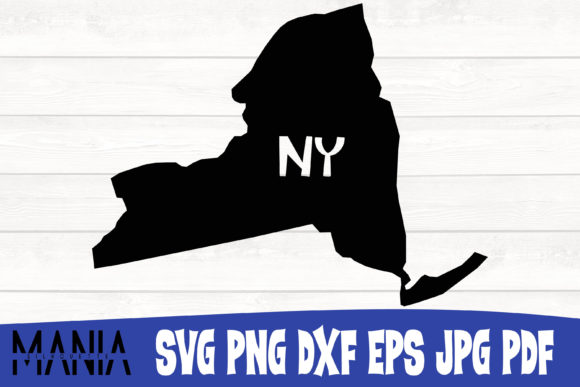
The New York State SVG Silhouette Cut File is a downloadable design pack containing multiple file types to suit various cutting machines and editing software. It includes SVG, PNG, EPS, JPEG, DXF, and PDF formats, all designed to work seamlessly with popular tools like Cricut Explore, Silhouette Studio, Adobe Illustrator, and more.
This means whether you're a hobbyist working on a personal project or a small business owner creating custom merchandise, you have the freedom to scale, edit, and apply the design across different mediums without compromising quality.
1. Assuming All File Types Are Interchangeable
Many buyers assume that all included file formats—SVG, PNG, EPS, etc.—can be used interchangeably across all software and machines. That's not always the case. For example, SVG files are ideal for cutting machines, while PNG files with transparent backgrounds are best for digital overlays or print designs that don't require cutting.
Better approach: Know which format you need for your specific project before downloading. If you're using a Cricut or Silhouette machine, SVG or DXF will be your go-to. For digital design or print-only work, PNG or JPEG may be sufficient.
2. Overlooking Software Compatibility
Some users download the pack expecting it to work flawlessly with their preferred software, only to discover they need to convert or tweak the file first. While the pack is compatible with many programs, not all features (like layers or editable paths) may translate perfectly across platforms.
Better approach: Check the software requirements of your project before purchasing. If you're using Adobe Illustrator or a 3D design tool, confirm that the included EPS or SVG files support the features you need.
3. Underestimating the Value of Layer Organization
One of the standout features of this pack is its well-structured layers, which make editing and customization easier. However, some users skip reviewing the layer organization and end up spending unnecessary time separating elements manually.
Better approach: Take a few minutes to explore the file structure in your software. You'll likely find that the design is already broken down into manageable parts, saving you time when resizing, coloring, or repurposing the design.
4. Ignoring the Purpose of Each File Type
It's tempting to stick with what you know—like always using PNG files because they're easy to work with. But doing so might mean missing out on the full potential of vector-based formats like SVG or EPS, which allow for infinite scaling without quality loss.
Better approach: Use the right file type for the job. SVG and DXF are best for cutting machines and large-format printing, while PNG and JPEG are great for digital mockups or quick print jobs.
What to Check Before Downloading or Using the Pack
- Machine compatibility: Does your cutting machine support SVG or DXF files? If not, you may need to convert the file or use a compatible software.
- Software support: Make sure the file types included work with your editing tools. If you're using older software, some features may not render correctly.
- Layer structure: Review how the design is organized. A well-layered file can save you hours of editing time.
- Usage rights: Confirm whether the file can be used for commercial purposes. Some digital products come with usage restrictions.
How Mistakes Can Affect Your Results
Choosing the wrong file type or skipping compatibility checks can lead to poor print quality, wasted materials, or even machine errors. For example, using a JPEG instead of an SVG for a cutting project may result in inaccurate cuts or the need for manual tracing.
On the business side, overlooking licensing terms or file limitations can lead to legal issues or unexpected costs if you need to repurchase or re-edit files for different applications.
Getting the Most from Your New York State SVG Silhouette Cut File
The New York State SVG Silhouette Cut File offers a powerful toolkit for creative professionals and hobbyists alike. Its flexibility and scalability make it ideal for everything from t-shirt designs to large-format signage. But to get the most out of it, it's essential to understand the file types, your tools, and the intended use of your project.
Take time to explore the included formats, test them in your software, and don’t hesitate to reach out to the creator for support if something doesn’t behave as expected. With the right approach, you’ll save time, reduce frustration, and achieve better results.
Final Thoughts
Whether you're designing a gift, branding merchandise, or creating digital artwork, the New York State SVG Silhouette Cut File can be a valuable asset. Just remember that the key to success lies in understanding what you're getting, how to use it, and what to watch out for. Avoid common mistakes, and you'll be on your way to creating high-quality, professional-looking designs with ease.