Man Riding a Wave: A Versatile Visual for Creative Projects
Visual storytelling has become a cornerstone of modern design, and the image of a man riding a wave stands out as a powerful, dynamic symbol. Whether used in branding, animation, or web design, this imagery conveys movement, energy, and determination. It’s more than just a picture—it’s a concept that can be adapted to fit a wide range of creative needs.
What Is Man Riding a Wave?
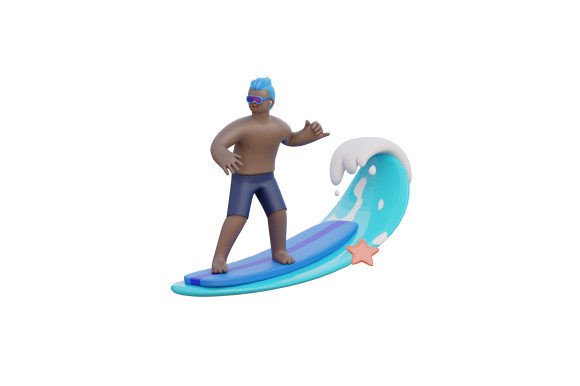
The phrase "Man Riding a Wave" typically refers to an image or illustration of a person—often a surfer—gliding along the crest of a wave. In digital design, this concept can be rendered in 2D or 3D formats, offering flexibility for different applications. These visuals can be stylized to match brand aesthetics, from realistic to abstract or cartoonish. They are commonly used to represent momentum, progress, adventure, or overcoming challenges.
Why This Visual Resonates Across Industries
Depending on the context, the symbolism of riding a wave can mean different things. For a startup, it might represent growth and innovation. For a fitness brand, it could symbolize strength and balance. Educators might use it to illustrate perseverance, while marketers may tie it to trending topics or campaigns. The versatility of this imagery makes it relevant across fields and audiences.
How Different Audiences Use Man Riding a Wave
Let’s explore how various users might incorporate this visual into their work:
- Beginners: New designers or students can use pre-made 3D models or illustrations of a man riding a wave to practice layout composition, color matching, or motion graphics. These visuals often come with transparent backgrounds or layered files, making them easy to integrate into beginner projects.
- Web Designers: A 3D version of this image can add depth and interactivity to a homepage or landing page. It’s especially useful for adventure-related brands, sports websites, or motivational platforms looking to evoke emotion and action.
- UI/UX Professionals: In mobile or web applications, animated versions of this visual can serve as loading indicators, success states, or background elements that enhance user engagement without distracting from core functionality.
- Presentations: Business owners or educators can insert this image into slides to represent progress, momentum, or market trends. It adds visual interest and helps simplify complex concepts.
- Freelancers & Agencies: Creative professionals often use this type of imagery when pitching to clients in the sports, travel, or lifestyle industries. It communicates energy and movement, aligning with brand values.
Practical Examples Across Use Cases
Here’s how different users might apply the same visual in unique ways:
- Bloggers: A lifestyle blogger might use a stylized illustration of a man riding a wave as a featured image for a post about personal growth or overcoming challenges.
- Marketers: A campaign for a surf gear brand could feature a 3D render of a surfer mid-wave, animated to loop subtly on a product page or social media post.
- Teachers: An educator might insert a simplified version of this image into a PowerPoint slide to represent progress in a lesson about goal-setting or perseverance.
- Small Business Owners: A local surf shop could use this visual in a poster design to promote lessons or seasonal sales, pairing it with bold text and vibrant colors.
Key Considerations When Choosing This Visual
Not every version of "Man Riding a Wave" will suit every project. Here are some factors to consider:
- Quality: High-resolution 3D models are ideal for print or large-scale web banners, while lower-resolution versions may work for social media or quick mockups.
- Flexibility: Look for visuals that allow for customization—such as color changes, background removal, or pose adjustments—to better match your brand or design style.
- Cost: Free stock images may be sufficient for personal or small projects, but premium assets often offer better detail, licensing options, and support.
- Relevance: Ensure the visual aligns with your message. A surfing image may not be appropriate for a corporate finance presentation, but could work well for a wellness retreat or motivational workshop.
Matching the Visual to Your Goals
Ask yourself the following to determine if "Man Riding a Wave" is the right choice for your project:
- Does the visual support the theme or emotion I want to convey?
- Is it adaptable to different formats (web, print, animation)?
- Will it resonate with my target audience?
- Do I have the tools or skills to edit or animate it if needed?
Why This Visual Stands Out
In a world saturated with static images and generic icons, a well-crafted "Man Riding a Wave" visual can cut through the noise. It’s not just a design element—it’s a storytelling tool. Whether you’re creating a website, a presentation, or a poster, this visual can help you communicate action, adventure, and forward motion in a way that’s both relatable and visually compelling.
Long-Term Value for Different Users
For some, this image might be a one-time use in a blog post. For others, it could become part of a recurring visual theme across branding materials. Educators might reuse it in different lesson plans, while animators may tweak and repurpose the 3D model for multiple projects. Its adaptability gives it lasting value, especially when sourced from platforms that allow for reuse and modification under appropriate licenses.
Conclusion
Whether you're a beginner learning the ropes of design or a seasoned professional looking for a fresh visual element, "Man Riding a Wave" offers a blend of symbolism and versatility that’s hard to beat. It bridges the gap between motion and meaning, making it a smart choice for anyone looking to enhance their creative work with a dynamic, emotionally resonant image.