Exploring the Role of Round Notary Wooden Seals in Modern Document Authentication
As the demand for secure and professional document validation continues to grow, the round notary wooden seal for stamps has emerged as a trusted tool among notaries, legal professionals, and small business owners. This distinctive sealing method combines traditional craftsmanship with modern functionality, offering a reliable way to authenticate documents without compromising aesthetics or durability.
What Is a Round Notary Wooden Seal for Stamps?
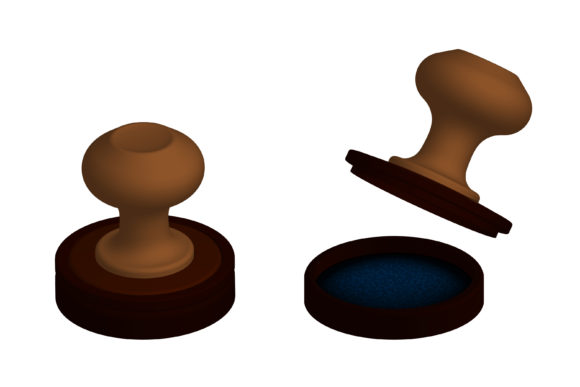
A round notary wooden seal for stamps is a hand-held device typically made from high-quality wood and fitted with a metal die that imprints a circular seal onto paper. This seal often includes the notary's name, commission number, state of authorization, and other relevant legal information. Unlike ink-based stamps, wooden seals create an embossed or debossed mark that is difficult to replicate or alter, making them a preferred choice for official documentation.
Components and Construction
- Wooden Handle: Often crafted from polished hardwoods like walnut or maple, the handle provides comfort and durability.
- Metal Die: Precision-cut to include the notary's information, ensuring clarity and legal compliance.
- Stamping Surface: Designed to apply even pressure for a clean, legible impression every time.
Advantages of Using a Wooden Notary Seal
Choosing a round notary wooden seal for stamps over traditional ink stamps or electronic alternatives offers several distinct benefits, especially for professionals who value both function and tradition.
Durability and Longevity
Wooden seals are known for their resilience. Unlike rubber stamps that may wear out or dry ink pads that can smudge, a well-maintained wooden seal can last for years. The materials used in their construction resist frequent use and environmental wear, making them ideal for busy notaries and legal offices.
Professional Aesthetic
The elegant appearance of a wooden notary seal adds a touch of professionalism and authenticity to any document. Its classic design is often associated with legal authority and permanence, which can be particularly reassuring in formal or ceremonial contexts.
Security and Tamper Resistance
Because the impression created by a wooden seal is either raised (embossed) or indented (debossed), it's much harder to counterfeit or alter than a printed or inked stamp. This physical alteration of the paper serves as a strong deterrent against fraud and document tampering.
Applications in Document Authentication and Postal Marking
Beyond notarization, round notary wooden seals for stamps have found a niche in postal printing and the marking of letters and postal items. Their ability to leave a clear, permanent impression makes them suitable for a variety of applications where traceability and authenticity are important.
Use in Postal Services
Postal agencies and courier services have begun to explore the use of wooden seals for marking high-value packages, confidential correspondence, and official mail. The seal can be used to indicate that a package has been inspected, authenticated, or dispatched under supervision.
- Authentication of Official Mail: Government offices and legal firms may use wooden seals to confirm the origin of a document.
- Secure Packaging Verification: Seals can be pressed into packaging materials to indicate that contents have not been tampered with.
- Historical or Commemorative Use: Some postal services use custom wooden seals for special events or to mark the issuance of limited-edition stamps.
Integration with 3D Vector Design
Modern manufacturing techniques have allowed for the creation of custom round notary wooden seals for stamps using 3D vector design. This process enables precise customization of the seal's layout, text, and even decorative elements. Whether a notary wants to include their commission expiration date or a postal service desires a unique emblem, 3D vector modeling ensures accuracy and scalability.
Choosing the Right Wooden Seal for Your Needs
When selecting a round notary wooden seal for stamps, several factors should be considered to ensure it meets both functional and regulatory requirements.
Compliance with Legal Standards
Notary laws vary by jurisdiction, and it's crucial to confirm that your seal meets the size, content, and format requirements of your state or country. Some regions specify the exact information that must be included, such as the notary's name, commission number, and the phrase "Notary Public."
Customization Options
Many manufacturers offer customizable options, allowing users to tailor the seal to their preferences. This includes font styles, layout orientation, and additional design elements. The use of 3D vector files ensures that even intricate designs can be accurately translated into the final product.
Ergonomics and Usability
Comfort and ease of use are essential, especially for professionals who notarize a high volume of documents daily. A well-balanced wooden seal with an ergonomic handle can reduce hand fatigue and improve stamping accuracy.
Best Practices for Using a Wooden Notary Seal
To get the most out of your round notary wooden seal for stamps, it's important to follow best practices for storage, maintenance, and application.
- Store in a Dry Environment: Moisture can warp the wood and affect the clarity of the impression.
- Avoid Excessive Pressure: Pressing too hard can damage the seal or cause uneven impressions.
- Inspect Regularly: Check for wear and ensure that all text remains legible over time.
- Clean Gently: Wipe with a dry cloth; avoid using water or solvents that could degrade the wood.
Comparing Wooden Seals with Other Notary Stamps
While wooden seals offer distinct advantages, they are not the only option available. Here's a brief comparison with other common types of notary stamps:
| Type | Pros | Cons |
|---|---|---|
| Wooden Seal | Durable, tamper-resistant, professional appearance | More expensive, requires proper storage |
| Ink Stamp | Affordable, quick to use | May smudge, requires ink refills |
| Electronic Seal | Convenient for digital documents | Limited acceptance in some jurisdictions |
Conclusion
The round notary wooden seal for stamps represents a blend of tradition and reliability in the modern world of document authentication. Whether used by a notary public, a legal office, or a postal service, its ability to create a lasting, tamper-resistant impression makes it a valuable tool across various applications. As technology continues to evolve, the integration of 3D vector design ensures that these seals remain both functional and customizable for users around the world.