3D Woman Doing Traveling: What It Is and How to Use It the Right Way
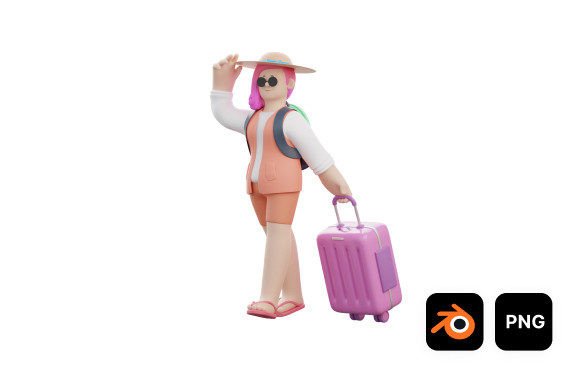
If you’ve searched for visual assets related to travel, lifestyle, or digital storytelling, you may have come across the term 3D Woman Doing Traveling. It refers to a type of 3D-rendered female character engaged in travel-related activities—like walking through an airport, holding a suitcase, or exploring a cityscape. These models are widely used in digital marketing, web design, animation, and even educational content to add relatable human elements to scenes.
While the concept seems straightforward, many users—especially beginners—run into issues when selecting, applying, or integrating these assets into their projects. The key to getting the most out of 3D Woman Doing Traveling models lies in understanding what they are, how they work, and what to watch out for when using them.
Common Mistakes When Using 3D Woman Doing Traveling Assets
One of the most frequent issues people face is choosing a model that doesn’t fit the intended context. For example, selecting a highly stylized character for a corporate travel brochure might clash with the brand’s tone. Similarly, using a low-poly model in a high-resolution render can lead to poor visual quality.
Another common oversight is not checking the licensing agreement. Many 3D models, including 3D Woman Doing Traveling, are available under different usage rights—some for personal use only, others requiring commercial licenses. Failing to verify this can lead to legal complications down the line.
Additionally, users often overlook technical compatibility. A 3D Woman Doing Traveling model downloaded in FBX format may not work properly in a software that only supports OBJ files. This mismatch can delay projects and create unnecessary frustration.
How These Mistakes Affect Your Work
Making the wrong choice in character style or quality can affect the perception of your final product. A mismatched 3D Woman Doing Traveling model might make a travel app feel unprofessional or distract from the message of a promotional video. Licensing errors can halt production or result in costly legal fixes. And format incompatibility often leads to wasted time trying to convert or fix models that should have worked out of the box.
How to Avoid These Pitfalls
The solution starts with doing a little homework before downloading or purchasing any 3D Woman Doing Traveling asset. First, define the context clearly. Is this for a mobile app, a website banner, or a VR experience? Knowing your end goal will help you filter for the right level of detail, style, and format.
Next, always read the license agreement carefully. If the model is free, check if attribution is required. If it’s commercial, confirm that it allows for the type of use you have in mind. Reputable marketplaces like TurboSquid, Sketchfab, and CGTrader provide clear licensing terms to help avoid confusion.
When it comes to file formats, match the model’s format to your software. If unsure, look up whether your 3D software supports the format or if conversion tools are reliable. Some platforms offer multiple download options, so take advantage of that flexibility.
Real Examples and Better Approaches
Let’s say you’re creating a travel-themed mobile game. You find a 3D Woman Doing Traveling model online that looks perfect, but it’s low resolution and lacks animation rigging. If you proceed without checking these details, you may find the character doesn’t animate smoothly or scale well on high-resolution screens. Instead, look for models that include rigging and textures suitable for mobile rendering.
Another scenario: You’re designing a virtual tour for a travel agency website. You choose a very realistic 3D Woman Doing Traveling model, but it has a file size that’s too heavy for web use. This can slow down page load times and hurt user experience. A better approach is to find a model optimized for web performance, possibly with Level of Detail (LOD) settings that adjust quality based on view distance.
What to Check Before Using 3D Woman Doing Traveling Models
- Style and realism: Does the model match the tone of your project?
- Resolution and polygon count: Is it detailed enough without being too heavy?
- Animation readiness: Does it include rigs or motion sets if needed?
- Texture quality: Are materials and skin tones realistic and well-applied?
- File format: Will it work with your software or engine?
- Usage rights: Can you legally use it in your intended way?
Choosing the Right Source Matters
Where you get your 3D Woman Doing Traveling model can make a big difference. Free repositories can be great for testing or small personal projects, but they may lack the polish or support of premium models. Paid platforms often offer better documentation, customer support, and higher-quality assets. Always check user reviews and preview options before committing to a download.
Final Thoughts: Getting the Most from 3D Woman Doing Traveling
Using 3D Woman Doing Traveling models effectively is about more than just finding a character that looks good. It's about ensuring that the model serves its purpose in your project—whether that’s enhancing visual storytelling, improving user engagement, or adding realism to a virtual environment.
By paying attention to details like licensing, compatibility, and visual style, you’ll avoid common headaches and create more polished, professional results. And as 3D technology continues to evolve, staying informed and thoughtful in your choices will keep your work looking fresh and relevant.